
How to Start a Garden: A Complete Beginner's Guide
Starting a garden is one of the most rewarding investments you can make in your home. Whether you dream of colourful flower borders, a productive vegetable patch, a peaceful seating area or a complete outdoor living space, every successful garden begins with careful planning.
The best outdoor spaces are built in stages. They balance hard landscaping, planting, lighting and functionality to create somewhere that's enjoyable throughout every season. At Esme Developments, we've transformed hundreds of gardens across Surrey, Berkshire, Hampshire and the surrounding areas. One thing every successful project has in common is that it starts with a well-thought-out plan.
This guide will take you through everything you need to know about starting a garden, whether you're working with a blank canvas or looking to completely redesign an existing outdoor space.
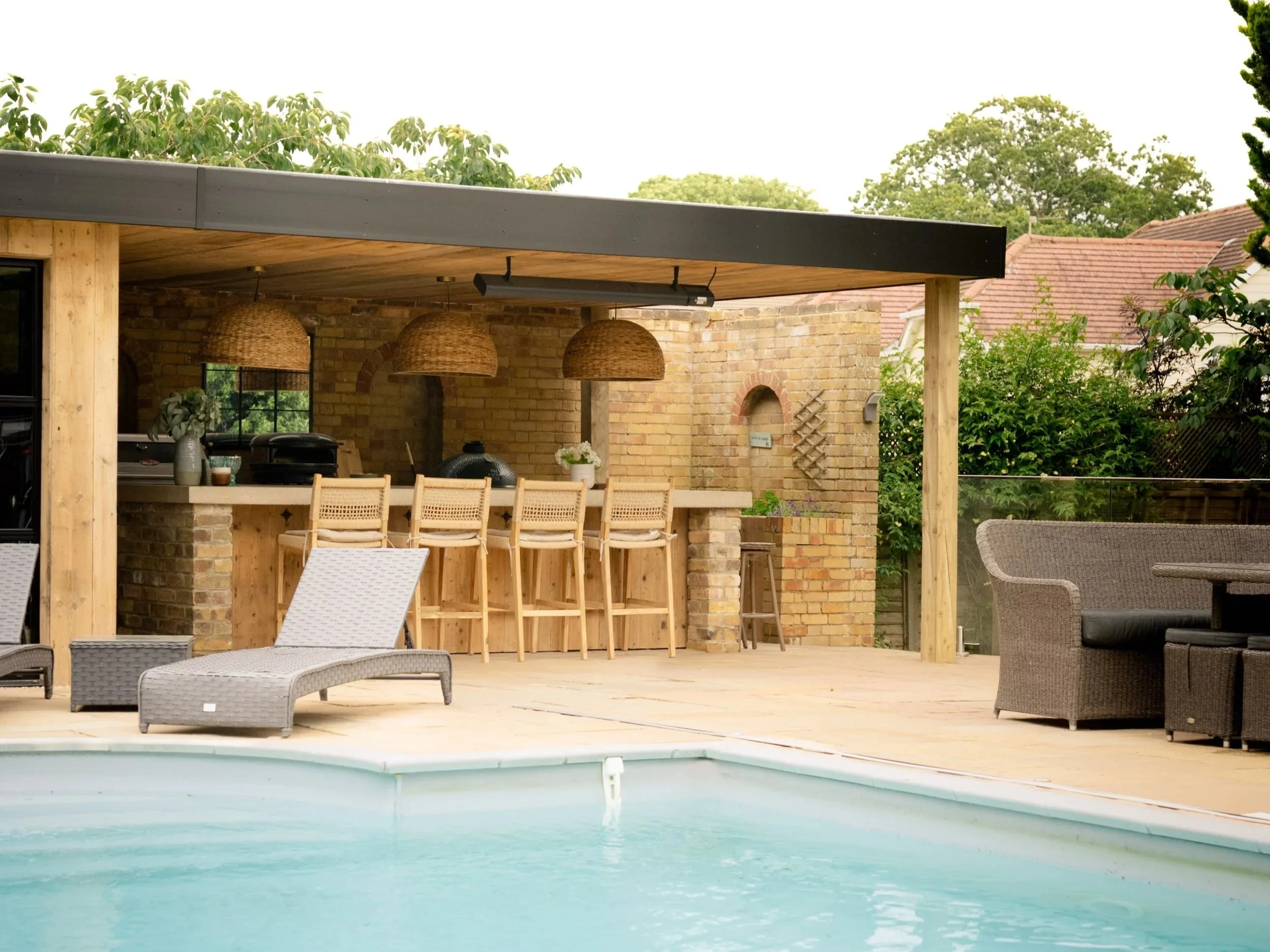
Step 1: Decide How You Want to Use Your Garden
Before buying plants or choosing paving, ask yourself one simple question:
How do you want your garden to make you feel?
The answer should influence every decision that follows. Modern gardens are no longer just lawns surrounded by fences. They're outdoor living spaces designed around how people actually spend their time.
Perhaps you want to:
Host family BBQs
Relax after work
Create somewhere safe for children
Install a swimming pool
Grow your own vegetables
Add an outdoor kitchen
Build a hot tub or wellness area
Increase your property's value
Having a clear purpose will help determine your layout, materials and planting choices.
Step 2: Understand Your Garden's Conditions
Every successful garden design works with the site rather than against it. Spend a few days observing your outdoor space.
Notice which areas receive full sun, which parts stay shaded, wind direction, existing drainage, slopes and level changes, any mature trees or existing boundaries.
Understanding these conditions early prevents costly mistakes later.
For example, placing a dining patio in permanent shade may mean it gets very little use (unless you’re someone who likes to avoid sun as much as possible), while locating delicate planting in exposed windy positions could lead to constant maintenance.
Step 3: Start With the Layout
Professional landscapers almost always design the layout before thinking about planting. Think of your garden as a series of outdoor rooms. Typical zones include:
Entertaining: Patio or outdoor kitchen
Relaxation; Pergola, lounge furniture or fire pit
Lawn: Open space for children or pets
Planting: Borders, raised beds and feature trees
Practical: Storage, bins and utility areas
Creating zones makes even small gardens feel larger because every area has a purpose.
One of the biggest mistakes homeowners make is placing everything around the edges and leaving a large empty lawn in the middle. Instead, allow pathways, planting and structures to naturally guide movement through the garden.
Step 4: Build the Structure First
When people think about gardens, they often imagine flowers. Professionally designed gardens begin with structure. The hard landscaping creates the framework that planting builds upon.
This includes:
Porcelain paving
Natural stone patios
Retaining walls
Raised beds
Pergolas
Steps
Pathways
These elements define how the garden works long before the planting matures. Think of hard landscaping as the bones of the garden.
Step 5: Choose the Right Materials
Material choice affects both appearance and long-term maintenance.
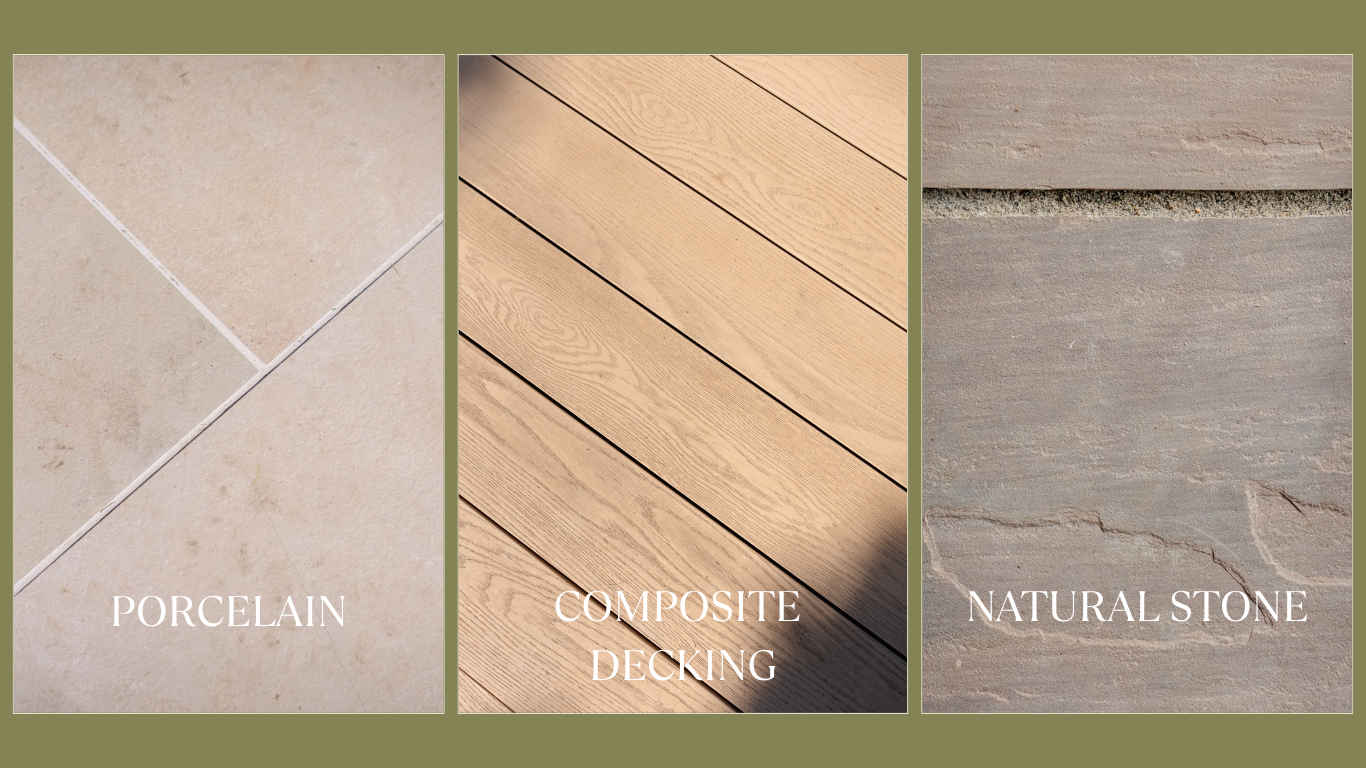
Porcelain Paving: Porcelain has become one of the UK's most popular paving materials because it's low maintenance, frost resistant, slip resistant, easy to clean and available in natural stone finishes.
Natural Stone: Natural sandstone and limestone develop character over time and suit both traditional and contemporary gardens.
Composite Decking: Products like Millboard provide the appearance of timber without many of the maintenance requirements.
Choosing quality materials at the beginning often saves significant money over the lifetime of the garden.
Step 6: Plan Your Planting
Planting should complement the hard landscaping rather than compete with it. A balanced planting scheme usually combines:
Structural shrubs: These provide year-round form. Examples include portuguese laurel, pittosporum, photinia, box hedging plants.
Perennials: These return each year with seasonal colour.
Ornamental grasses: Perfect for movement and texture. Also extremely popular right now!
Trees: Feature trees create focal points and provide height.
Good planting creates interest during every season rather than relying solely on summer flowers.
Step 7: Prepare Healthy Soil
Healthy gardens begin underground.
Before planting, make sure you remove weeds, improve drainage where necessary, add compost or organic matter and break up any compacted soil. Healthy soil encourages stronger root development, meaning healthier plants and less maintenance in the future.
Step 8: Don't Forget Lighting
Garden lighting is one of the most overlooked design elements. Yet it completely changes how a garden feels after sunset. Rather than flooding the garden with light, aim to create layers.
Consider:
Path lighting
Step lighting
Tree uplighting
Pergola lighting
Outdoor kitchen lighting
Lighting extends the usability of your garden long after the sun goes down, especially during the winter months in the UK where the sun rarely makes a visit. Outdoor living shouldn’t only cater to the summer months.
Step 9: Add Features That Suit Your Lifestyle
Once the core structure is complete, you can personalise your space. Popular additions include:
Outdoor Kitchens: Perfect for entertaining and family gatherings.
Swimming Pools: Create a resort-like feel while adding lifestyle value.
Fire Pits: Ideal for extending evenings outdoors.
Hot Tubs and Wellness Areas: One of the fastest-growing trends in UK garden design.
Water Features: Introduce movement, sound and tranquillity.
The key is choosing features you'll genuinely use rather than following trends. In smaller gardens, it is really important that you think about how you would like to use your outdoor space and choose your garden features accordingly.
Step 10: Think Long-Term
A successful garden isn't designed just for the first summer. It should continue improving over time.
When planning, think about future maintenance, plant growth, drainage, family needs and material durability. Spending slightly more on quality materials and professional installation usually delivers better value than replacing cheaper alternatives a few years later.
Common Mistakes to Avoid When Starting a Garden
Many first-time gardeners make similar mistakes. Avoid these common pitfalls:
Starting Without a Plan: Buying plants before designing the layout often leads to expensive changes later.
Planting Too Much: Young plants need room to mature.
Ignoring Drainage: Poor drainage causes many long-term garden problems.
Choosing Low-Quality Materials: Cheaper paving or decking often requires replacing far sooner than premium alternatives.
Forgetting Year-Round Interest: A beautiful garden should look attractive in every season, not just summer.
Why Professional Garden Design Makes a Difference
While many smaller gardens can be tackled as DIY projects, larger garden transformations benefit enormously from professional planning.
Experienced landscapers understand:
Garden proportions
Material selection
Drainage
Construction methods
Planting design
Lighting
Outdoor living
At Esme, we believe every garden should feel like a natural extension of the home. From porcelain patios and bespoke outdoor kitchens to swimming pools, decking and planting schemes, our projects are designed around how our clients live, not just how their gardens look.
Working across Surrey, Berkshire, Hampshire and the surrounding counties, we create bespoke outdoor spaces that combine thoughtful design, premium craftsmanship and lasting quality.
Final Thoughts
Starting a garden is about creating a space that reflects your lifestyle, complements your home and continues to improve year after year. Begin with a clear plan, invest in quality materials, think about how you'll use the space and don't underestimate the importance of good design.
Whether you're creating a small courtyard garden or embarking on a complete landscape transformation, every exceptional garden starts with one decision: to plan it properly.
If you're ready to transform your outdoor space, our team at Esme Developments would be delighted to help bring your vision to life.
FAQ
How do I start a garden from scratch?
Start by deciding how you want to use the space, assessing your garden's conditions, creating a layout, building the hard landscaping first, then adding planting and lighting.
What is the best time of year to start a garden?
Autumn and winter are ideal for planning and construction, while spring is perfect for planting and establishing new lawns.
How much does it cost to landscape a garden in the UK?
Costs vary depending on the size of the garden, materials and features. A simple refresh may cost a few thousand pounds, while a bespoke garden transformation with patios, decking or outdoor kitchens can require a larger investment.
Should I design my garden before buying plants?
Yes. Professional garden design always begins with the layout and structure. Planting is then used to soften and enhance the finished space.
What makes a low-maintenance garden?
Using durable materials such as porcelain paving and composite decking, combined with thoughtful planting, irrigation and quality construction, helps create a garden that's both beautiful and easy to maintain.