
How to Prepare Your Garden for Spring: A Complete Guide
Spring is one of the most exciting times of the year for any garden. The longer days, warmer temperatures and fresh growth create the perfect opportunity to bring outdoor spaces back to life after the winter months.
But beautiful spring gardens rarely happen by accident. Behind every vibrant lawn, healthy planting bed and flourishing border is careful preparation carried out during late winter and early spring.
Whether you have a small courtyard garden or a large landscaped outdoor space, preparing your garden properly now will make a significant difference to how it performs throughout the growing season.
In this guide, we’ll walk through the essential steps to prepare your garden for spring, from pruning and planting to mulching and soil care. These practical tasks will help your garden grow stronger, healthier and more resilient over the coming months.
Why Spring Garden Preparation Matters
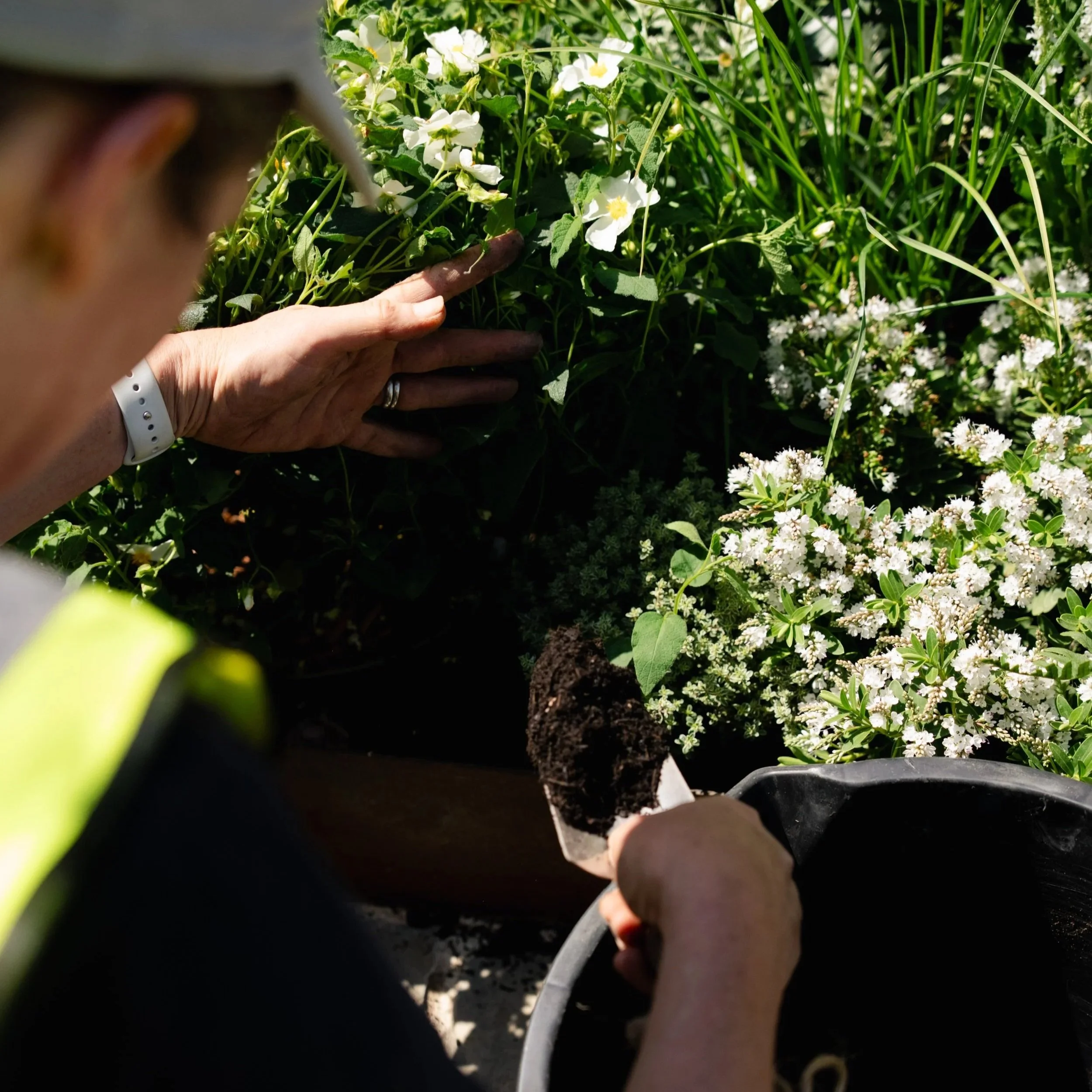
After months of cold weather, rain, frost and limited sunlight, most gardens require a reset before the growing season begins.
Winter often leaves behind compacted soil, fallen debris, weakened plant growth and neglected garden beds. If these issues are left untreated, they can prevent plants from thriving when spring arrives.
Preparing your garden for spring allows you to:
Encourage healthy plant growth
Improve soil structure
Prevent weeds from spreading
Strengthen lawns and borders
Refresh outdoor living areas
Create a more structured and organised garden layout
Professional landscapers often say that a garden prepared properly in early spring will require significantly less maintenance later in the year.
After months of cold weather, rain, frost and limited sunlight, most gardens require a reset before the growing season begins.
Winter often leaves behind compacted soil, fallen debris, weakened plant growth and neglected garden beds. If these issues are left untreated, they can prevent plants from thriving when spring arrives.
Preparing your garden for spring allows you to:
Encourage healthy plant growth
Improve soil structure
Prevent weeds from spreading
Strengthen lawns and borders
Refresh outdoor living areas
Create a more structured and organised garden layout
Professional landscapers often say that a garden prepared properly in early spring will require significantly less maintenance later in the year.
Step 1: Cut Back Herbaceous Perennials and Ornamental Grasses
One of the first tasks when preparing a garden for spring is cutting back herbaceous plants and ornamental grasses.
During winter, many perennials die back to ground level. While their dried stems can provide structure and habitat for wildlife, these old stems should be removed before new shoots begin to appear.
Cutting plants back allows:
Sunlight to reach the soil
New growth to emerge freely
Better air circulation between plants
Use clean, sharp pruning shears to cut stems close to the base of the plant. Be careful not to damage fresh shoots that may already be appearing near the soil surface.
Popular herbaceous plants that benefit from early spring pruning include:
Lavender
Salvia
Sedum
Rudbeckia
Echinacea
Ornamental grasses should also be trimmed down before the new season begins.
Step 2: Clear Debris and Tidy Garden Beds
Winter storms, falling leaves and strong winds often leave gardens covered in debris. Clearing your garden early in the season helps improve soil health and allows plants to receive the light and airflow they need to grow.
Key areas to focus on include:
Flower beds
Lawn edges
Pathways
Patio areas
Around trees and shrubs
Remove:
Fallen leaves
Broken branches
Dead plant material
Moss build-up on hard surfaces
Not only does this improve the appearance of the garden, but it also reduces the risk of fungal diseases spreading through damp plant material.
Step 3: Apply Fresh Mulch to Garden Beds
Mulching is one of the most beneficial tasks you can do for your garden in early spring.
A fresh layer of mulch offers several advantages:
Conserves soil moisture
Reduces weed growth
Improves soil structure
Protects plant roots
Regulates soil temperature
Organic mulch options include:
Bark mulch
Wood chips
Compost
Leaf mould
Spread a layer approximately 5–8cm thick across planting beds, ensuring it sits around plants without covering their stems.
Mulch acts as a protective blanket for your soil and is one of the most effective ways to improve plant health throughout the growing season.
Step 4: Plant or Repot Evergreen Shrubs
Late March and early spring is an excellent time to plant evergreen shrubs.
At this time of year, soil temperatures begin to rise while the weather remains relatively mild. This allows roots to establish themselves before the heat and dryness of summer.
Evergreen shrubs provide year-round structure in the garden and can be used to create:
Natural boundaries
Privacy screens
Garden structure
Seasonal interest
Popular evergreen shrubs used in garden landscaping include:
Portuguese Laurel
Box (Buxus)
Photinia
Pittosporum
Hebe
When planting shrubs, ensure the soil is well drained and enriched with organic compost to help support strong root development.
Step 5: Check Hardwood Cuttings
Hardwood cuttings are often planted in winter and forgotten about until spring arrives. However, many of these cuttings may already be producing new shoots by early spring.
Now is the ideal time to check on them.
If cuttings have successfully rooted, they may benefit from:
Repotting into larger containers
Transferring into prepared planting beds
Improved soil conditions
Healthy cuttings can quickly become strong new plants, helping to fill out borders or add structure to the garden.
Step 6: Repot Houseplants
Spring isn’t just about preparing outdoor spaces. Indoor plants also benefit from seasonal care.
Repotting houseplants allows them to:
Access fresh nutrients
Develop stronger root systems
Grow more vigorously
Signs that a houseplant needs repotting include:
Roots growing through drainage holes
Soil drying out very quickly
Slowed growth
When repotting, choose the correct compost for each plant type and increase pot size gradually to avoid overwhelming the root system. Spring repotting often results in healthier foliage and stronger growth throughout the year.
Step 7: Prepare Your Garden Tools
Before the busy gardening season begins, it's important to check and maintain your garden tools. Sharp, clean tools not only make gardening easier but also prevent plant damage and disease transmission.
Tasks to complete include:
Cleaning tools to remove soil and rust
Sharpening pruning shears and blades
Oiling moving parts
Replacing worn handles
Well-maintained tools allow for cleaner cuts, healthier plants and a more efficient gardening experience.
Step 8: Refresh Lawns and Lawn Edges
Lawns often suffer during winter due to frost, water-logging and limited sunlight. Early spring is the perfect time to restore lawn health.
Key lawn preparation tasks include:
Raking out dead grass and moss
Aerating compacted soil
Overseeding thin patches
Applying spring lawn feed
Sharp lawn edges also improve the visual structure of a garden and create a clear separation between lawns and planting beds.
Step 9: Plan New Garden Projects







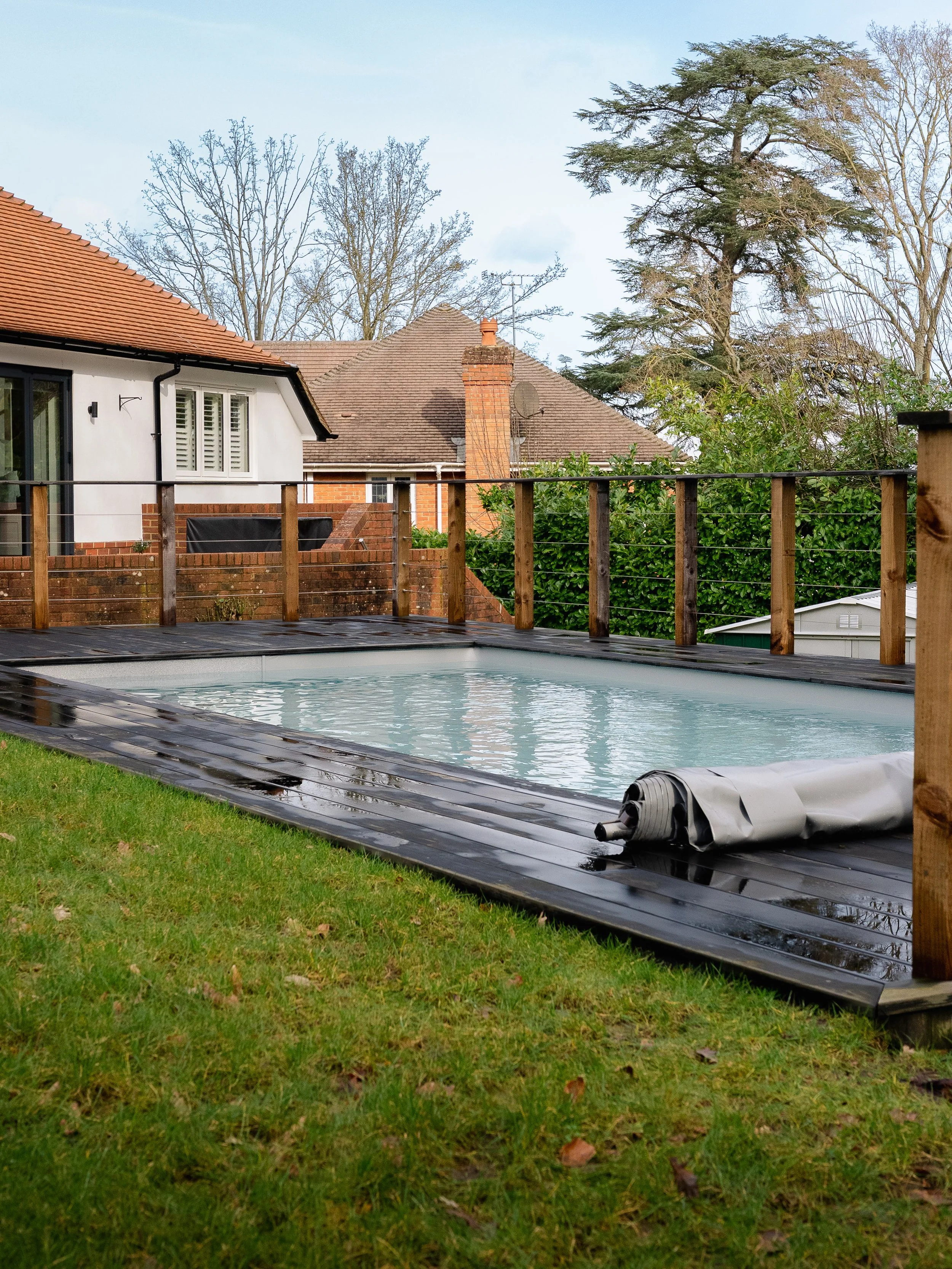

Spring is also the time when many homeowners begin planning larger garden improvements.
These may include:
Patio installations
Raised garden beds
Outdoor kitchens
Pergolas
Swimming pools
New planting schemes
Planning early ensures projects can be completed before peak summer use. Professional landscapers often recommend beginning design discussions during winter or early spring so construction can take place before the busiest part of the season.
Professional Garden Design and Landscaping
While many spring garden tasks can be completed by homeowners, larger projects often benefit from professional design and installation.
Experienced landscapers can help with:
Garden layout planning
Hardscape design
Planting schemes
Outdoor living spaces
Structural landscaping
A well-designed garden considers drainage, materials, planting and usability to create a space that works beautifully throughout the year. For homeowners in Surrey, Berkshire and Hampshire, we as a professional garden landscaping company, can transform underused outdoor spaces into functional outdoor living environments.
Preparing your garden for spring doesn’t require complicated techniques, but it does require careful attention to detail. Simple tasks such as pruning plants, mulching beds, refreshing lawns and repotting shrubs can dramatically improve the health and appearance of your garden.
The key is consistency.
Gardens that are maintained and prepared early in the season tend to grow stronger, require less maintenance and provide far greater enjoyment during the warmer months. Whether you're planning a full garden transformation or simply refreshing your planting beds, spring preparation is the first step toward creating an outdoor space that thrives.