
How to Build a Raised Garden Bed
Raised garden beds are one of the most effective ways to add structure, usability, and visual interest to a garden. Whether they’re used for planting borders, growing vegetables, or defining zones within a larger landscape, raised beds bring both practical and design-led benefits when built correctly.
At Esme, we often incorporate raised garden beds into wider garden transformations because they improve drainage, allow better soil control, and create a strong architectural framework for planting.
Why Raised Garden Beds Work So Well?
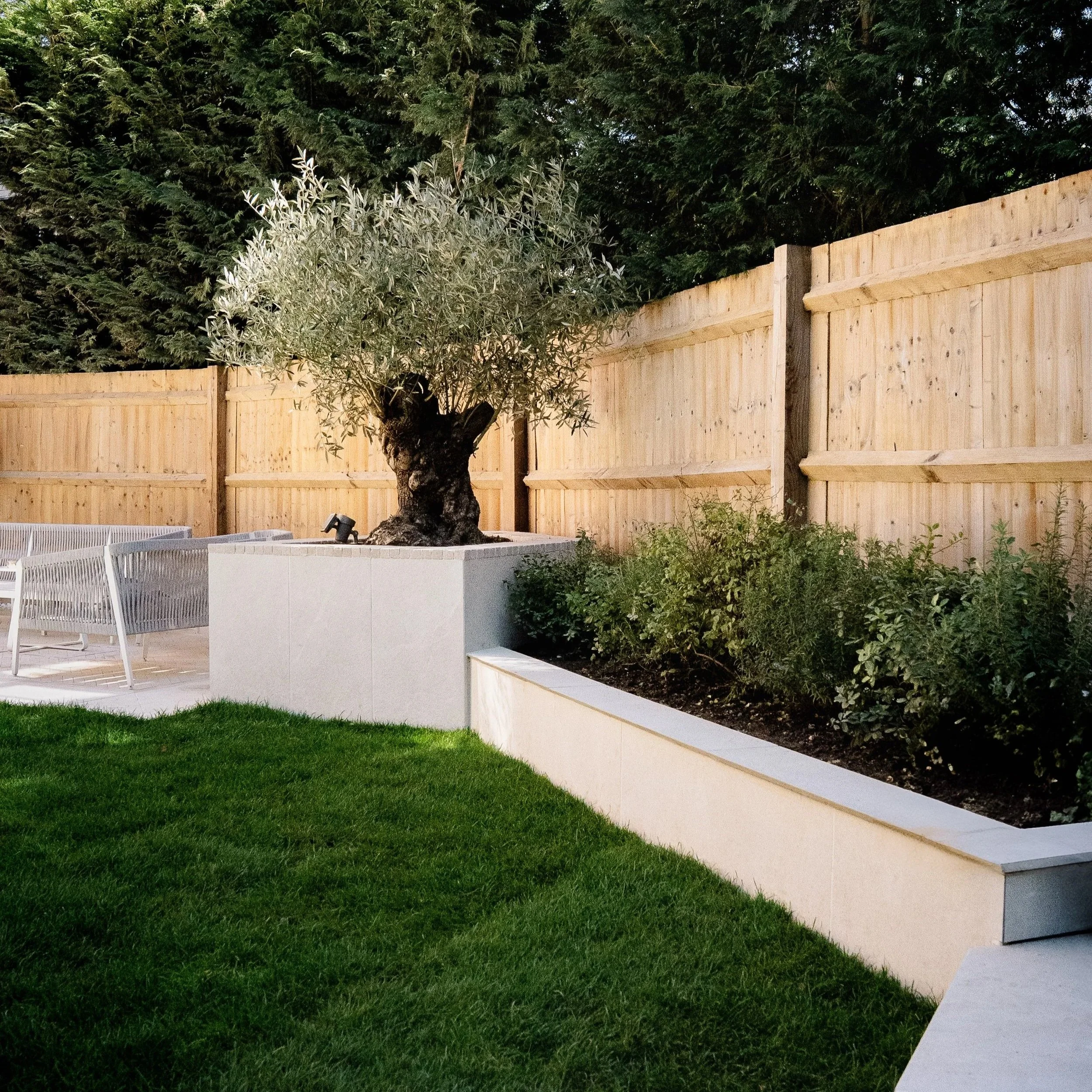
One of the biggest advantages of raised beds is improved soil quality. Because the soil is introduced rather than relying on what’s already there, you can create the perfect growing conditions from the start. Raised beds also reduce soil compaction, improve drainage, and make planting and maintenance far more accessible.
From a design perspective, raised beds help define areas of a garden. They can separate lawn from patio, frame walkways, or create a focal point around seating and outdoor living spaces.
Choosing the Right Materials
The materials you choose will determine both the lifespan and visual impact of your raised bed. Popular options include treated timber sleepers, brickwork, natural stone, or rendered blockwork.
Timber sleepers offer a softer, more natural look, while brick and stone provide durability and a timeless finish. Rendered raised beds are ideal for contemporary gardens and can be colour-matched to other architectural elements.
Ground Preparation & Drainage
Proper groundwork is essential. The base should be level and stable, with adequate drainage to prevent waterlogging. A gravel layer at the bottom of the bed helps excess water escape and protects plant roots.
Raised beds should always be built with longevity in mind. Poor construction leads to bowing, cracking, and premature failure.
Soil, Planting & Aftercare
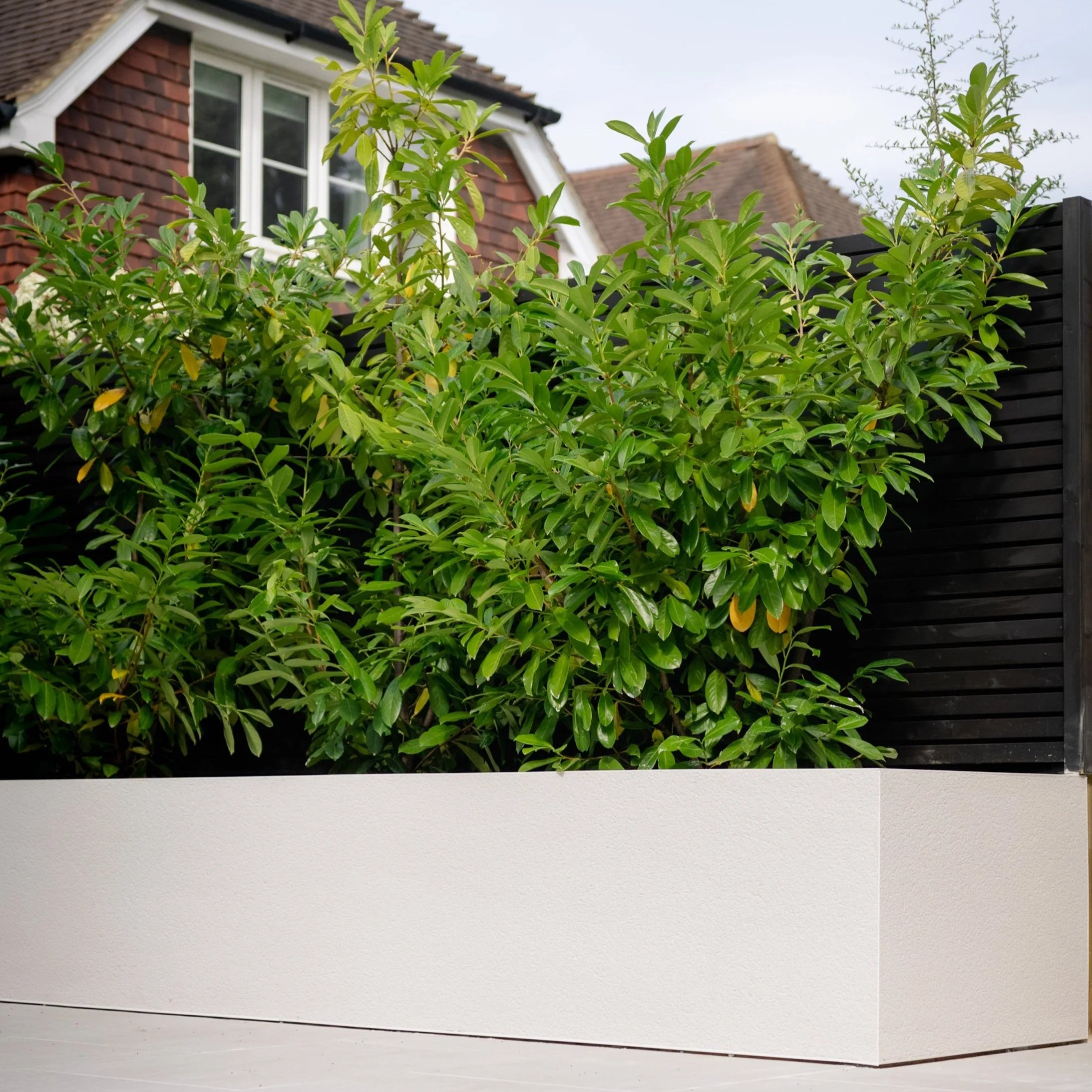
High-quality topsoil and compost are essential for healthy planting. Choose plants that suit the light levels and orientation of your garden, and consider long-term growth rather than immediate impact alone.
When built and planted correctly, a raised garden bed becomes a long-lasting feature that enhances both the look and usability of your garden.